Strategy
Stop Training Your Customers to Wait for a Discount
The discount-dependency trap starts with one successful campaign and ends with shoppers waiting for price cuts. Here is how behavioral intelligence and intent scoring recover lost revenue while protecting your margins.
By admin13 min read
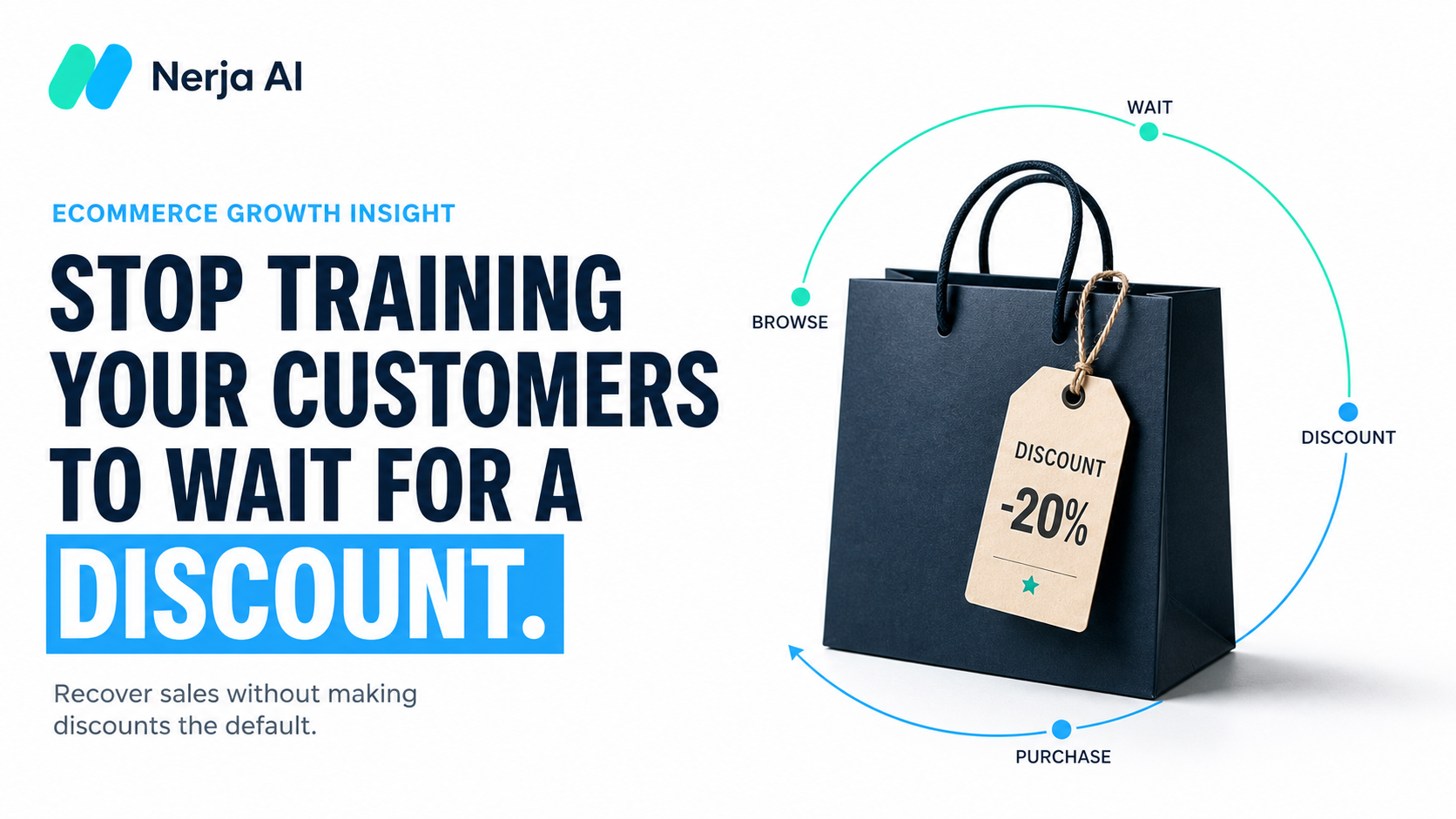
Every store owner knows the feeling. Sales are flat, abandonment looks brutal, and someone says the obvious thing: “Let’s send a discount to everyone who left something behind.”
So you do. And it works. Orders jump, the dashboard turns green, and for a few days it feels like you found the lever.
Then next month, you need a bigger discount to get the same result. Then a bigger one again. And somewhere along the way, a quiet question starts forming: are you recovering sales, or are you teaching your customers to never buy at full price?
That is the discount-dependency trap. It builds one successful campaign at a time, until the discount stops being a tool and becomes the price your customers expect.
The sale that works too well
Picture a shopper let’s call her Maya. She finds a jacket she likes, adds it to her cart, and hesitates at checkout. Maybe the shipping cost surprised her; maybe she just wanted to think about it overnight.
The next morning, an email lands: 15% off, just for her, if she completes her order today. She buys. You celebrate a recovered sale.
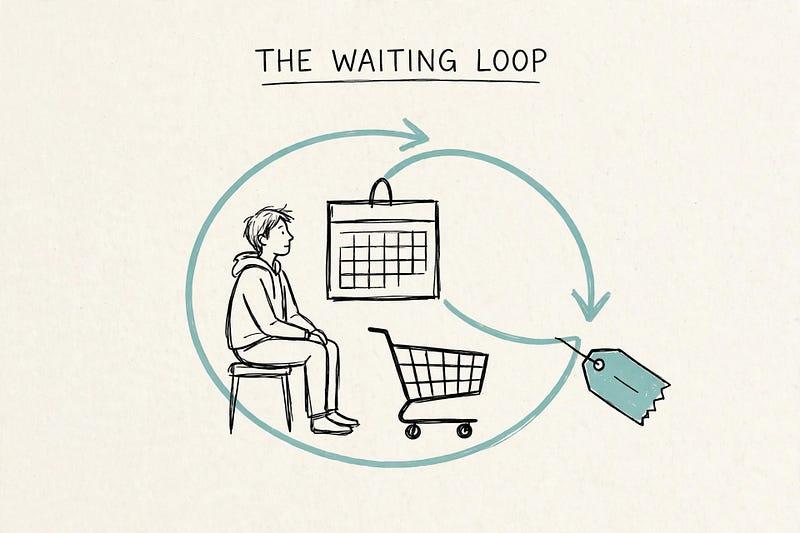
Now picture Maya two months later. She finds another jacket she likes. This time, she does not hesitate by accident: she adds it to her cart, closes the tab, and waits because last time, waiting paid. The discount arrives, right on schedule.
By the third visit, Maya is not even browsing in the normal sense. She is placing a bet: if she abandons, the store will pay her to come back.
This is not a story about dishonest shoppers. Maya is behaving perfectly rationally. You trained her. Every time a discount followed an abandoned cart like clockwork, you taught her a simple rule: patience gets rewarded, and buying immediately gets punished with a higher price.
Stores lose up to around 70% of potential sales to abandoned browse, cart, and checkout sessions. That number is real, and it is painful. But it does not mean every one of those shoppers needs a coupon. Many never needed a price cut at all. They needed a reminder, an answer, or a reason to trust the purchase. When you answer all three problems with the same discount, you solve the smallest problem at the highest cost.
Why blanket discount blasts feel like they work
If discount blasts were obviously destructive, nobody would run them. They survive because the reporting flatters them.
First, the revenue is visible and immediate. A blast goes out on Tuesday, orders spike on Wednesday, and the report shows a tidy pile of “recovered revenue.” What it rarely shows is how many of those buyers would have purchased anyway at full price or how many have now learned to wait for the next blast.
Second, the cost is hidden inside the margin. A 15% discount does not feel like spending money—no invoice arrives, no ad account is charged. But if your gross margin is 40%, a 15% discount can wipe out more than a third of the profit on that order. Do it across hundreds of orders, and you have quietly funded your own revenue growth with your own profit.
Third, a blast makes an unhealthy list look healthy. Open rates rise when the subject line promises a deal, and few people unsubscribe from coupons. But the audience you are building is not loyal customers. It is deal-seekers, loyal to the discount, not to you. The moment a competitor offers 20% where you offer 15%, they are gone.
None of this means discounts are evil. A well-timed offer to a genuinely price-sensitive shopper can be exactly the right move. The problem is the blanket: the same offer, sent to everyone, regardless of who they are, what they were looking at, or how close they were to buying.
The real cost of teaching customers to wait
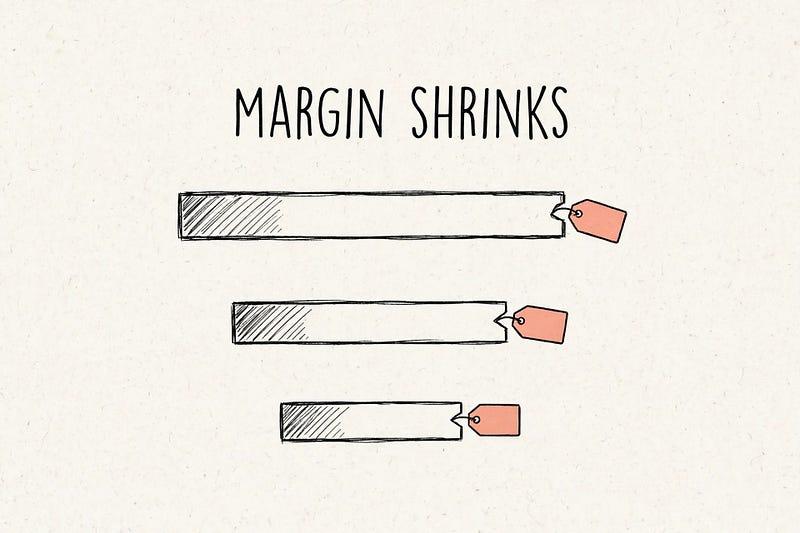
Margin damage is the most obvious cost, but not the only one. Discount dependency quietly taxes a store in four other ways:
- It moves your reference price. Once a customer has bought your product at 20% off, the full price stops feeling like the real price. It feels like a markup. Raising prices back up later feels like a price increase, even when it is simply a return to normal.
- It distorts your data. If every recovery campaign ends in a coupon, you never learn why people actually left. Was it shipping cost? Sizing uncertainty? A confusing checkout? A discount papers over all of those answers, so the underlying friction never gets fixed and the next hundred shoppers trip over the same obstacle.
- It exhausts your list. Shoppers who receive a coupon for every abandoned browse soon stop opening anything that is not a coupon. Your non-discount messages new arrivals, restocks, product stories get ignored, because you have trained the audience to treat your emails as a vending machine for codes.
- It punishes your best customers. The shopper who buys immediately, at full price, is your best customer. The shopper who abandons and waits gets rewarded. Over time, your most loyal buyers learn the game too, and start abandoning on purpose. A system that rewards hesitation and ignores loyalty will, given enough time, produce more hesitation and less loyalty.
Not every abandoned cart is the same cart
Here is the uncomfortable truth behind the blanket blast: an abandoned cart is not one problem. It is at least three, and they need different answers.
A shopper who viewed one product page for ten seconds and left is not the same as one who spent twenty minutes comparing sizes, reading reviews, and reaching the payment step before stopping. A first-time visitor is not the same as a repeat buyer who already trusts you.
Treating them all identically same discount, same timing, same message is not personalization. It is proof you were not paying attention.
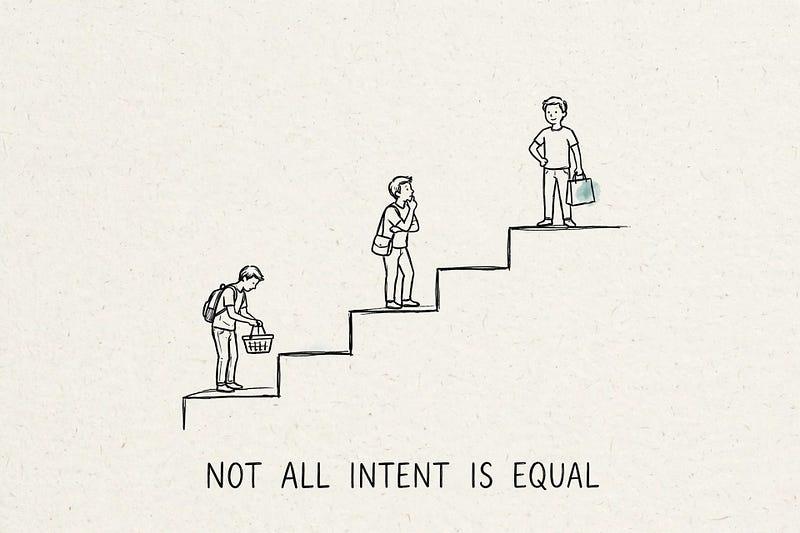
Intent is the missing distinction. Some shoppers are close to buying and just need a nudge: a reminder of the exact product they left behind, a clear path back to their cart, an answer to the question that stopped them. Others are genuinely price-sensitive, and a modest, well-targeted incentive might be the honest way to close the sale. Others are not ready at all, and no coupon will change that it will only teach them that your prices are negotiable.
The stores that recover revenue without destroying margin are the ones that can tell these shoppers apart before they send anything. They look at behavior, not just the abandoned cart flag: what the shopper viewed, how long they spent, whether they have bought before, and how far through checkout they got. That behavioral picture is what separates a recovery message from a ransom note.
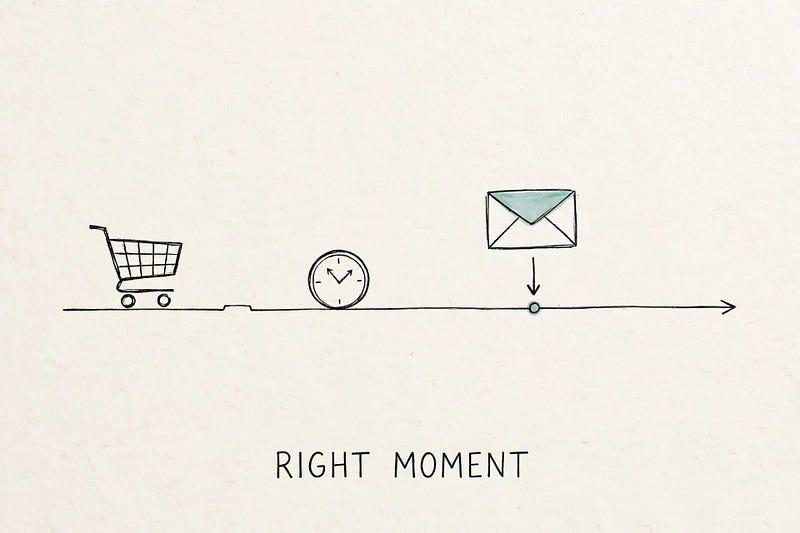
The fix: the right shopper, the right message, the right moment
So what replaces the blanket blast? Not silence, and not a cleverer coupon. A more disciplined sequence.
- Start with identification, not promotion. Before you can recover a sale, you need to know who left and what they left behind recognizing the shopper across visits where possible, and tying their browsing, cart, and purchase history into a single picture, rather than treating each session as a stranger. Without that, every message is a guess.
- Wait on purpose. One of the most common mistakes in cart recovery is messaging instantly, while the shopper may still be in the middle of buying. A smart delay long enough for a genuine buyer to finish on their own, short enough that the product is still fresh in mind protects full-price sales.
- Name the exact product. A generic “You left something behind!” message asks the shopper to do the work of remembering. A good recovery message does the opposite: it names the product, shows its image and price, and links straight back to the cart. It removes friction instead of adding a bribe. Often, that alone is enough especially for shoppers whose real obstacle was distraction, not price.
- Say something specific to that shopper. “Here’s 15% off everything” speaks to no one in particular. A message grounded in what the shopper actually looked at the product, its use, the question they were probably weighing feels like it came from a store that noticed them, not a system that blasted them. Related product suggestions can help too, when they genuinely fit what the shopper was considering.
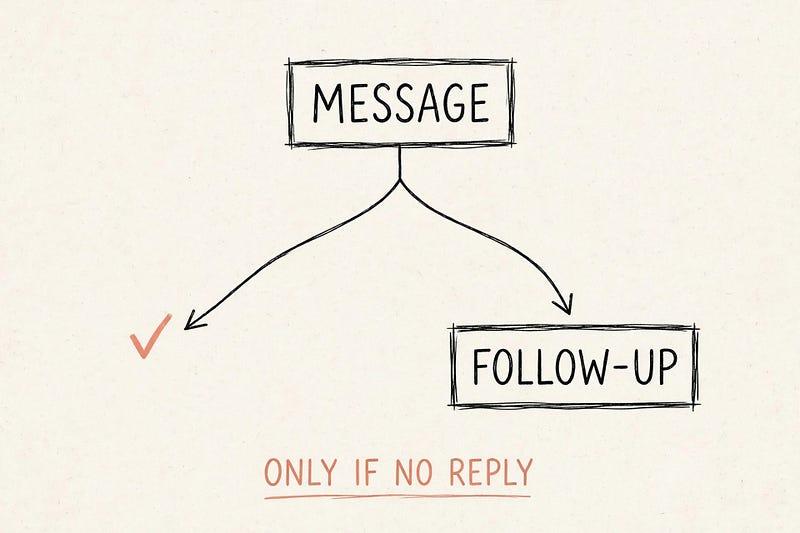
- Follow up only if there was no response. If a shopper opened, clicked, or bought, the conversation is over sending another message anyway is noise. Follow-ups should fire only when the shopper has not responded, and each one should add something new: a different angle, a useful detail, a clearer path back.
- Reserve the discount for where it earns its keep. A discount is a tool, not a default. Use it selectively for shoppers whose behavior genuinely suggests price is the barrier, or for a first order where winning a new customer is worth the investment and keep it out of messages to shoppers who were going to buy anyway. A smaller number of discounts can then produce more profit than a larger number ever did.
What this looks like in practice
Take Nerja AI as a natural example. Nerja is an e-commerce revenue-recovery platform built around behavioral intelligence: it tracks how shoppers behave on a store, scores their intent, and runs recovery campaigns for abandoned browse, cart, and checkout sessions sending fewer, better messages, not more of them.
In practice, a shopper’s behavior is observed through a first-party tracker a short snippet in the store’s site header, with server-side setup that keeps tracking working even where ad blockers and browser privacy restrictions would otherwise break it. That behavior is tied together across Shopify, WooCommerce, Magento, CRM, and payment data into one identity per shopper.
Intent scoring then does the sorting that a blanket blast skips. A heuristic scorer works from day one, and after about 30 days of a store’s own data, a tenant-specific model takes over, alongside churn modeling so the distinction between “almost bought” and “just looking” gets sharper over time, tuned to that store.
Then the campaigns are preset around the three moments that matter: browse, cart, and checkout abandonment. A cart recovery message identifies the shopper, waits a smart delay, names the exact product with its image and price, suggests related products, and links straight back to the cart. Follow-ups only fire if the shopper has not responded. And the copy is written per shopper by an AI agent, grounded in the store’s own Knowledge Base so the message reflects the store’s products and voice, not a generic template. Contact details are never sent to AI models; only aggregate audience summaries and product context are used.
That is intent-based recovery: the same channels stores already use email, SMS, WhatsApp, push, and AI voice calls but governed by behavior rather than by a calendar of blasts. Attribution uses last-non-direct click within a seven-day window, with revenue lift shown in the campaign view, so a store can see what recovery actually added.
This approach is also accessible to smaller stores, not just large ones: Nerja’s Starter plan is free, and every paid plan comes with a free 15-day trial that needs no credit card. The test that matters is simple: does profit per recovered order go up, even if the raw number of discount codes goes down?
A playbook for breaking the habit
If your store is already deep in discount dependency, you do not need to quit cold turkey tomorrow. You need a controlled break, measured honestly:
- Audit your last three blasts. For each one, ask: how many buyers had purchased at full price before, or had received a discount on their previous order? How many bought within hours fast enough that they may have been about to buy anyway? Even rough answers will show how much “recovered revenue” was margin given away unnecessarily.
- Split your next recovery into two groups. Send your usual message to one group, and a no-discount version same timing, same product reminder, same cart link, but no coupon to the other. Compare profit, not just orders. Most owners are surprised by how small the gap in orders is, and how large the gap in profit turns out to be.
- Stop discounting your best customers first. Repeat buyers who have bought at full price, shoppers who reached checkout and clearly intended to pay, and anyone who has already responded to a non-discount message are the worst candidates for a coupon. Protecting them is the fastest way to stop training your most valuable audience to wait.
- Fix the friction a discount was hiding. Look at why shoppers actually leave: unexpected shipping costs, unclear sizing or returns, a missing payment method, a checkout that asks for too much. Every one you fix reduces abandonment at its source; every one you ignore guarantees another round of discount-funded recovery.
- Judge recovery by profit per order, not by blast revenue. A campaign that recovers 100 orders at full price is worth more than one that recovers 120 orders at 20% off, in almost any margin structure. Change the scoreboard, and teams stop asking “How big can we make this blast?” and start asking “Which shoppers actually needed help, and what kind?”
- Give the new approach a fair window. A store that has trained its customers to wait will not untrain them in a week; some shoppers will hold out for a coupon that is no longer coming, and a few sales will be lost in the transition. That is the cost of the old habit, not evidence that the new one is failing. Judge the change over a full buying cycle, on profit.
The sale you keep is worth more than the sale you rent
Discounts are not going away, and they should not. A good offer, at the right moment, to the right shopper, is one of the oldest and most honest tools in retail. The mistake is turning it into the store’s only language until customers stop hearing anything else.
The stores that win the next few years of e-commerce will not be the ones shouting the loudest discount. They will be the ones that notice what each shopper actually needs: a reminder, an answer, a clearer path back to the cart and yes, sometimes, a price that makes the decision easier.
Stop training your customers to wait. Start showing them you were paying attention all along. The revenue you recover that way is revenue you get to keep.
- #cart recovery
- #discount dependency
- #intent scoring
- #e-commerce
- #retention
- #behavioral AI
- #margin protection