ai-agent
Best E-commerce Marketing Automation Tools in Bangladesh (2027)
By support13 min read

Ask a Bangladeshi store owner what marketing automation means, and you will usually get one of two answers. The first is a shrug: automation sounds like something for big brands with big teams. The second is a tool dashboard nobody has opened in months.
Both miss the point. In Bangladesh, automation is not a luxury. It is the only realistic way to keep up with how people actually buy here: in chat, on phones, late at night, and often without finishing a checkout in one sitting.
This guide walks through the tools available to Bangladeshi stores — email, SMS, WhatsApp and Messenger, social ads, CRMs, and recovery tools — with honest pros and cons and a simple way to choose. It ends with the piece most stores still do by hand, if at all: revenue recovery.
Why automation matters more in Bangladesh than elsewhere
First, Facebook commerce — f-commerce — is enormous. Industry body e-CAB has estimated 200,000 to 250,000 f-commerce pages, with around 60,000 making regular sales. For tens of thousands of sellers, the store is a Facebook page and the checkout is a Messenger conversation. A tool that only works for website checkouts will miss most of the sale.
Second, cash on delivery still dominates. Shoppers pay the courier on arrival, partly because trust in prepayment is still being rebuilt after high-profile marketplace failures. Orders need confirming, half-hearted orders need filtering, and uncollected parcels cost delivery charges both ways. Automation that confirms orders and follows up on missed deliveries protects margin directly.
Third, the phone is the shop. Buyers discover products on Facebook or Instagram, ask questions on Messenger or WhatsApp, and expect a fast reply in Bangla, often outside office hours. SMS remains a workhorse too — it reaches customers who never open email. A store that only sends email is talking on a channel many customers rarely check.
Fourth, the stack is mixed. Some sellers run Shopify, some WooCommerce, some a Facebook page with no website, and many run two or three at once. Couriers such as Pathao, Steadfast, and RedX, and payments such as bKash and Nagad, sit alongside the store rather than inside it. Automation must connect these pieces, or the owner ends up copy-pasting order details between chat, courier portals, and spreadsheets.

Email platforms: still worth it, even where email is not king
Email is not the first channel most Bangladeshi shoppers check. That makes it a specific tool: reaching website customers with richer messages, and running follow-ups too long or expensive for SMS.
The well-known global options are available here. Mailchimp is the easiest starting point for many small stores: templates, a free tier, and plenty of integrations, with advanced automation costing more as a list grows. Klaviyo is built around customer data — tracking what shoppers click, browse, and buy, then triggering personalised email and SMS automatically — and is strongest for stores with meaningful website traffic. Omnisend combines email and SMS with Shopify and WooCommerce integrations. ActiveCampaign pairs email with a built-in CRM and deeper automation.
Pros: Email is cheap per message, great for detailed product messages, and easy to measure — opens, clicks, and recovered orders are all visible.
Cons: Open rates can be modest, because many f-commerce customers never gave an email address. A store whose customers live in Messenger should not expect email alone to recover sales.
Best for: Shopify and WooCommerce stores with a growing customer list.
SMS gateways: short, direct, and hard to ignore
SMS is the channel Bangladeshi shoppers actually read. A short text about an order or delivery lands on every phone, needs no app, and needs no data connection. That is why SMS marketing remains popular here, and why local gateways — including well-known Bangladeshi providers such as SSL Wireless and Greenweb — are part of many stores’ stacks.
SMS works in two modes: transactional (order confirmations, delivery reminders), which builds trust, and promotional (offers, restock alerts, festival sales), which drives repeat visits only if used sparingly.
Pros: Near-universal reach, very high open rates compared with email, and ideal for time-sensitive messages such as COD confirmations.

Cons: Each message costs money, so frequent campaigns get expensive fast, and short texts cannot carry product images. Overuse burns trust, and consent matters: only message people who gave you their number.
Best for: COD confirmation, delivery updates, and short offers to existing customers.
WhatsApp and Messenger tools: where the sale actually happens
If email is the filing cabinet and SMS is the tap on the shoulder, WhatsApp and Messenger are the shop floor in Bangladesh. Orders are taken there, questions answered there, and trust built there. Tools here generally do one of three things: run a shared inbox, automate replies and broadcasts, or connect chat to orders, couriers, and payments.
Global WhatsApp Business API providers — such as Wati, Interakt, and AiSensy, which appear in comparisons of providers serving Bangladesh — offer team inboxes, broadcast tools, and chatbot builders on Meta’s WhatsApp Business Platform. Bangladesh-built tools have grown up around f-commerce: AmarPilot, RootChat, and Nabik AI pull Messenger, Instagram, and WhatsApp orders into one place, connect couriers and COD, and automate replies in Bangla and English. Bizmation similarly ties Facebook and Messenger to WooCommerce and Shopify stores.
Pros: You meet customers where they already are, in the language they use, with instant replies — including at night, when many Bangladeshi shoppers buy. A shared inbox stops orders getting lost in one person’s phone.
Cons: WhatsApp and Messenger automation has rules — template approvals, broadcast limits, platform policies — and breaking them can get a number restricted. Broadcasts to cold contacts feel like spam, and chat tools need human backup. Pricing varies a lot, so compare current plans at your actual message volume.
Best for: F-commerce sellers and any store where most orders start in chat.
Social ads: the engine that fills the top of the funnel
Facebook and Instagram ads remain the main way most Bangladeshi stores find new customers, putting products in front of buyers who would never find a small store’s website on their own.
Pros: Unmatched reach in Bangladesh, precise targeting, and fast feedback on what sells.
Cons: Ad costs rise as more sellers compete, and boosted-post selling without a follow-up system means paying for every visitor and keeping only those who buy immediately. Retargeting only reaches people the ad platform can identify. Ads are rented attention: stop paying, and the traffic stops.

Best for: Finding new customers — as the top of a funnel that has follow-up and recovery behind it, not as the whole strategy.
CRMs: remembering every customer, not just the last order
A CRM — customer relationship management system — is the store’s memory. It records who bought what, when, and how often, so follow-ups can be personal instead of generic. Global options such as HubSpot and Zoho CRM are widely used, and many chat and e-commerce tools now include lightweight CRM features.
Pros: Stops the “who is this customer again?” problem and shows which customers are actually profitable.
Cons: A CRM is only as good as the data fed into it. If orders live in Messenger screenshots, the CRM stays empty. Heavyweight CRMs can be overkill for a small store — a simple, well-kept list beats an expensive system nobody updates.
Best for: Stores with repeat buyers or a support load that has outgrown memory.
Recovery tools: the automation most stores skip
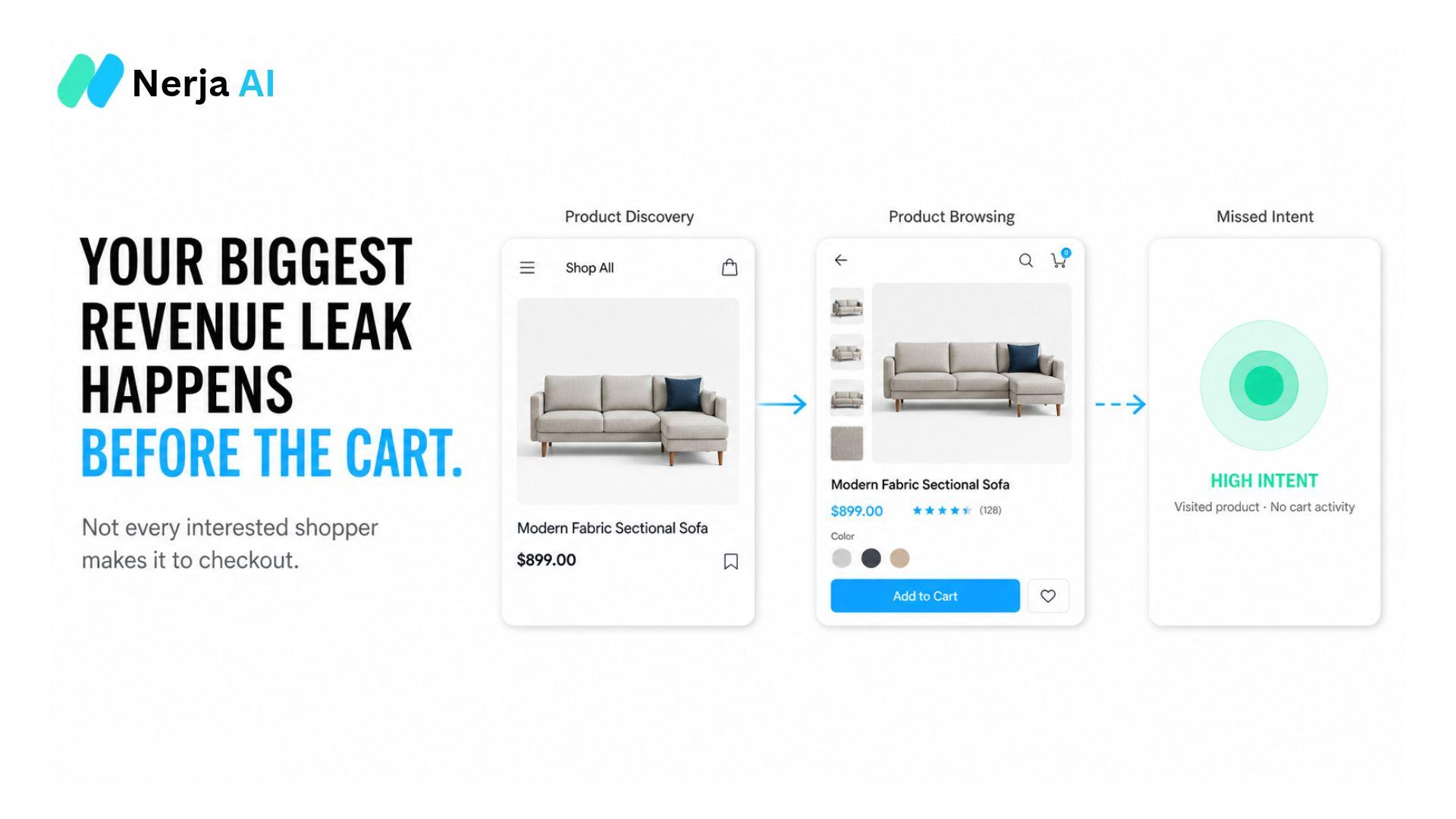
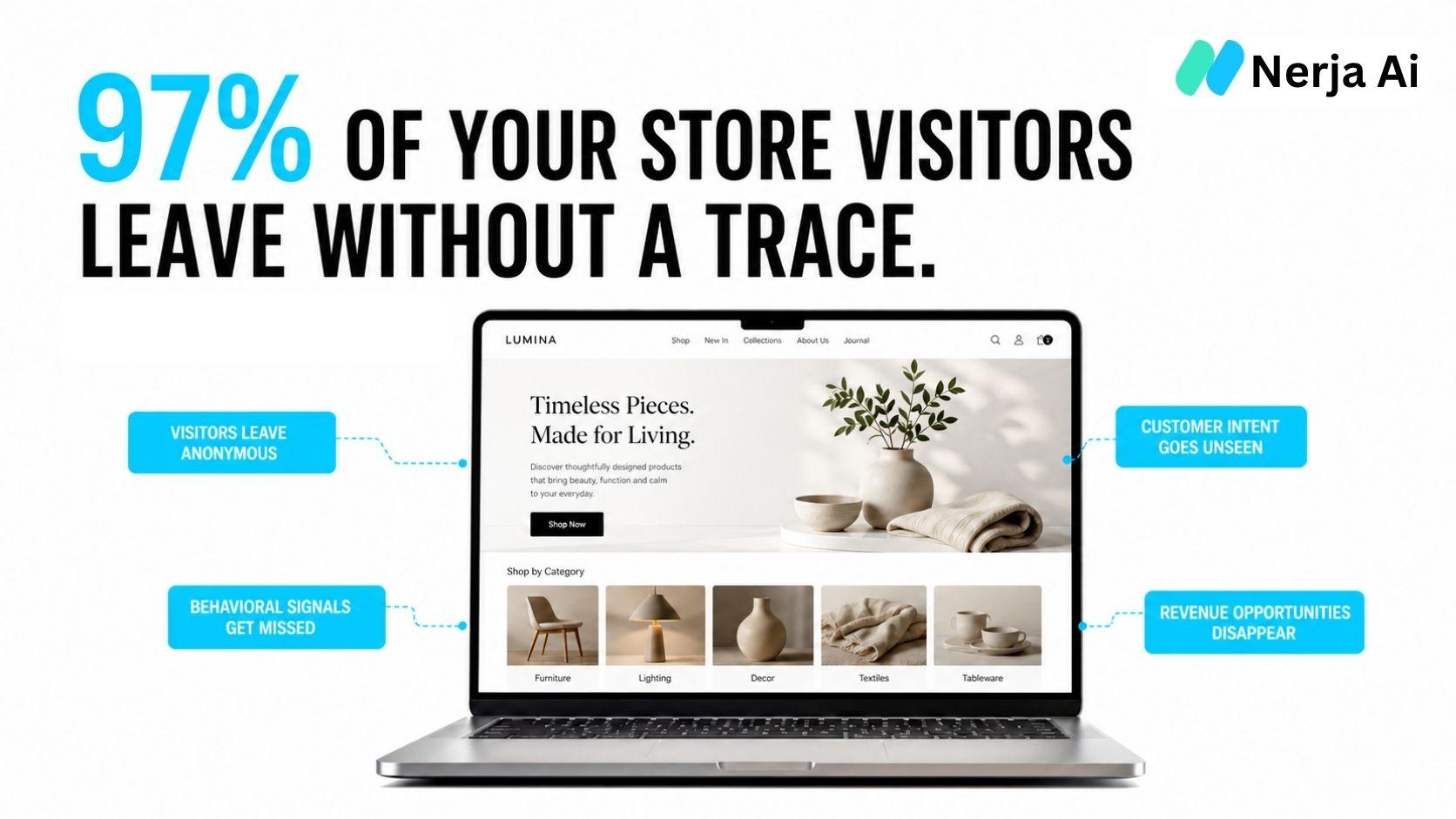
Most Bangladeshi stores spend heavily to bring visitors in, then do almost nothing when those visitors leave without buying. A shopper browses three products, adds one to cart, starts checkout — and vanishes. No follow-up, no second chance. The ad money is spent, and the store buys more traffic to replace it.
Recovery automation closes that gap. It watches what shoppers view, add to cart, and where they drop out, then sends a timely follow-up on the channel that shopper uses — naming the exact product, showing its image and price, suggesting related products, and linking straight back to the cart. Follow-ups only fire if the shopper has not responded.
This is different from a generic newsletter. A broadcast says “20% off everything this weekend” to everyone. A recovery message says “you left this kurti in your cart — here it is” to one shopper, at the moment she is most likely to finish. The first is marketing. The second is a shop assistant who noticed what you were looking at.
Intent keeps recovery from becoming spam. Not every visitor deserves a message — most are passers-by. A good system scores behaviour: a shopper who returned to the same product twice and checked delivery is very different from someone who bounced in four seconds. Messaging only the first group keeps recovery helpful.

How to choose: five questions for Bangladeshi stores
1. Where do your customers actually talk to you? If most orders start in Messenger, a chat tool comes before an email platform. If most sales happen on your website, email and recovery come first.
2. What is your biggest leak? Count it, roughly, before buying anything: visitors who never buy, carts abandoned, COD orders returned uncollected. The biggest number is where automation pays first.
3. Does it work in Bangla, in taka, and on your channels? A dashboard your team cannot read or a tool that only sends email will quietly fail here. Check language, currency, and channel coverage first.
4. Can it see your whole customer? A shopper who browsed on your website, asked on Messenger, and paid by bKash is one person, not three. Tools tying Shopify, WooCommerce, CRM, and payment data into one view give follow-ups based on the real customer.
5. What does it cost to start — and to leave? Prefer a free tier or free trial, no credit card to test, and data you can keep if you cancel. That lets you evaluate a tool with your own numbers.
A sensible starter stack is small: one chat tool for Messenger and WhatsApp, one SMS gateway, one email platform, and one recovery tool for browse, cart, and checkout abandonment. Four tools used well beat ten half-configured.
Where nerja.ai fits: the recovery-automation piece
Most tools above help you find customers or talk to them. Nerja.ai does a narrower job, deliberately: recovering revenue that is already almost yours — shoppers who browsed, added to cart, or started checkout and left. It is an e-commerce revenue-recovery platform built around behavioural tracking and intent scoring, with the tagline “Recover Revenue with Behavioral Intelligence.” It works in three steps.
First, it sees the shopper properly. A first-party tracker — a short, six-line snippet in the site’s head, backed by a server-side setup designed to keep working against ad blockers and browser privacy protections — records how shoppers move through the store. An identity system, called the Data Room, ties fragments together: Shopify, WooCommerce, Magento, CRM, and payment records, recognised as one shopper.
Second, it scores intent instead of guessing. A heuristic scorer works from day one, and after 30 days of data a model specific to that store takes over, alongside intent and churn models. Message shoppers whose behaviour suggests they are close to buying, and leave passers-by alone.

Third, it sends the recovery. Nerja.ai ships with three preset recovery campaigns — browse, cart, and checkout abandonment — so a store does not design flows from scratch. A cart message identifies the shopper, waits a smart delay, names the exact product with its image and price, suggests related products, and links straight back to the cart. Follow-ups only fire if the shopper has not responded. An AI agent writes each shopper’s email, SMS, or WhatsApp copy, grounded in the store’s own Knowledge Base — and shoppers’ contact details are never sent to AI models, only aggregate audience summaries and product context. Channels cover email, SMS, WhatsApp, push, and AI voice calls, and sending runs through providers such as Resend, Amazon SES, and AutoSend for email, with SMS and WhatsApp providers connectable.
The practical details fit stores like yours. The dashboard is available in English, Bangla, and Arabic, campaign copy runs in many languages, and prices show in the store’s own currency — BDT, USD, and EUR. Attribution is last-non-direct click within a 7-day window, with revenue lift shown in the campaign view. Privacy is handled per tenant, with salted hashing, region-aware consent, and data-subject request endpoints, and the platform is EU-ready.
Entry is low-risk. A Starter plan is free, covering 1M events, 5,000 AI emails, and 50 AI SMS per month, and every paid plan — Growth, Pro, and Custom enterprise — is free for 15 days, with no credit card required, and you can cancel anytime and keep your data. Try recovery on your own traffic, watch the campaign view, and decide with numbers.
Nerja.ai does not replace your chat inbox, SMS gateway, or ad campaigns. It sits behind them, catching shoppers those tools brought in but could not keep. If your store already gets traffic but loses most of it between browsing and buying, recovery is the missing piece — and the piece that pays for the rest of the stack.
A practical 30-day plan
Week 1 — Measure. Work out your three leaks: visitors who never buy, carts abandoned, COD orders returned uncollected. Rough numbers from your dashboard, courier reports, and chat history will do.
Week 2 — Fix the obvious. Audit your five most-viewed product pages as a hesitant buyer: sizing, delivery time, reviews, COD terms.
Week 3 — Automate one follow-up. Pick your biggest leak and automate one flow: a COD confirmation SMS, a cart reminder, or a Messenger reply for the five questions every customer asks.
Week 4 — Judge by revenue. Look at recovered orders and collected COD, not just opens and clicks. If a flow recovers real orders, keep it; if not, change the message or timing.
The store that remembers
Bangladeshi e-commerce is growing up. Boosting a post no longer works as it once did, and ad costs will not fall. The stores that win next will not necessarily have the biggest ad budgets. They will waste the least of the attention they already earn — answering fast in chat, confirming COD orders before dispatch, following up when a shopper hesitates, and remembering a customer across channels.
Automation is how a small team does that at scale. Start with where your customers are, fix your biggest leak first, demand Bangla and taka and the channels that matter, and judge every tool by recovered revenue. If that leak is shoppers who browsed, added to cart, and left, then nerja.ai — free Starter tier, 15-day free trial on paid plans — is a low-risk place to start. Try it on your own store, watch what comes back, and let the numbers decide.
- #ai-agent
- #bangladesh
- #marketing-tips
- #ai
- #nerja